
Warren Buffett isn’t one to mince words. The legendary investor, often called the Oracle of Omaha, has once again raised red flags about today’s frothy stock market. In a recent CNBC interview (Warren Buffett Issues Urgent Stock Market Warning 2026), he described an environment where investors have never been in a more “gambling mood,” likening parts of the market to “a church with a casino attached.”For everyday American investors, this warning hits hard. With retirement accounts, 401(k)s, and brokerage balances on the line, many are wondering if it’s time to pull back-or if Buffett’s caution is just the voice of an old-school investor in a new-era market.
Berkshire Hathaway’s Massive Cash Hoard Tells the Story
Berkshire Hathaway has been a net seller of stocks for 14 straight quarters. The result? The conglomerate is now sitting on nearly $400 billion in cash. That’s not just dry powder—it’s a defensive position signaling that Buffett sees limited attractive opportunities at current prices.This isn’t the first time Buffett has expressed unease, but the consistency of the selling and the sheer size of the cash pile stand out. When the man who built one of the greatest investment records in history starts hitting the brakes, smart investors pay attention.
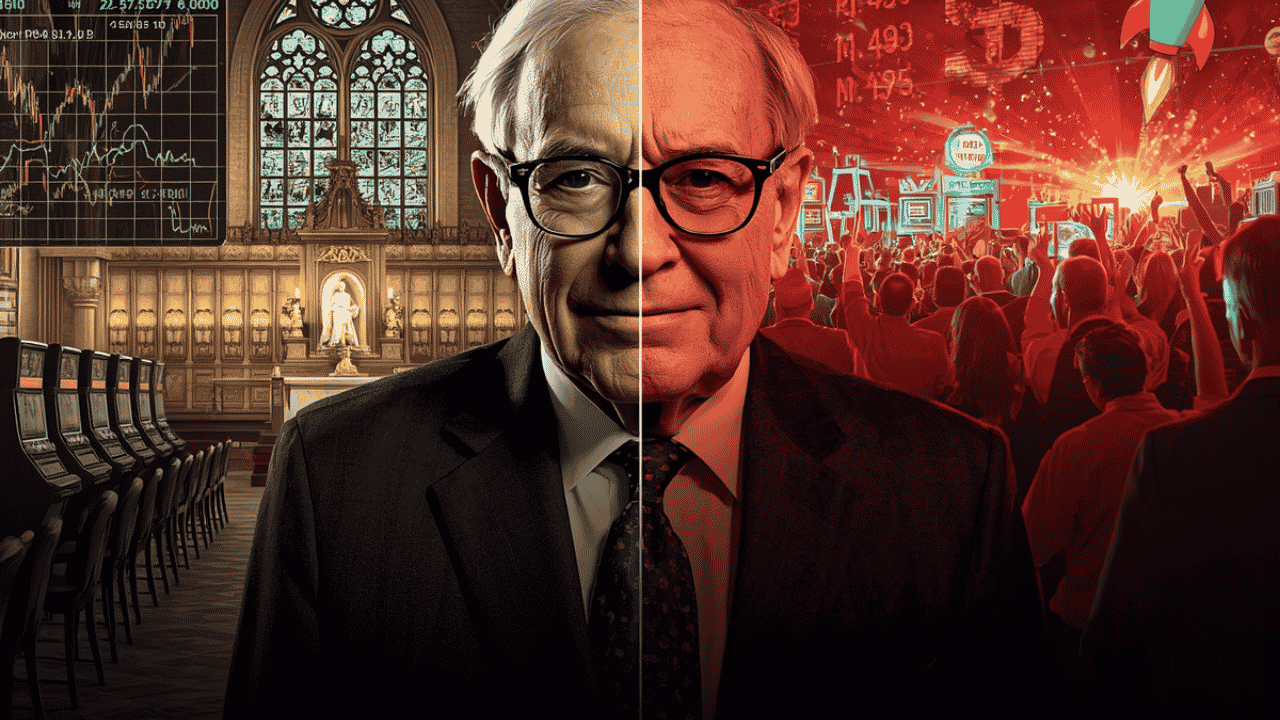
Where’s the “Casino” Energy Showing Up?
Buffett’s metaphor points to speculative fervor disconnected from fundamentals. Two sectors stand out in 2026: the AI infrastructure boom and the commercial space race.
AI Buildout – Winners and Speculators
Leading companies like Nvidia, Micron, and AMD continue to deliver explosive profit growth, supporting higher valuations in the near term. The real frenzy, however, appears in smaller, unproven plays riding the AI wave.
Take fuel cell technology firm Ceres Power (listed in London). Shares skyrocketed over 900% in the past year on excitement around powering AI data centers. Yet the company remains unprofitable with modest projected revenue. At current levels, its price-to-sales ratio sits around 24-pricing in perfection in a competitive space. What looked intriguing at lower prices now carries significant casino-like risk.
Space Stocks Reach for the Stars
The space sector has gone parabolic. SpaceX is reportedly targeting a staggering $1.75 trillion valuation in upcoming funding talks, blending space ambitions with AI through its SpaceXAI division. This hype has spilled over to public companies.
Rocket Lab (RKLB), often seen as the closest listed proxy to SpaceX, has delivered jaw-dropping returns—up roughly 2,431% over three years, including sharp gains in May 2026. The company reported strong Q1 results: revenue jumped 63.5% to $200.3 million, with a record $2.2 billion backlog. Yet its forward price-to-sales multiple hovers near 64, leaving little margin of safety if growth slows or competition intensifies.
What This Means for American Investors
Buffett’s track record suggests periods of speculation often end with painful corrections. High valuations in trendy sectors can deliver spectacular gains on the way up—but the downside can wipe out years of returns when sentiment shifts.
| Potential Upsides of Today’s Market | Risks to Watch |
|
|
Many U.S. investors may find better balance by looking beyond the Nasdaq’s brightest lights. International markets, including parts of the UK, currently offer more traditional value-steadier businesses trading at reasonable prices compared to domestic high-flyers.
The Takeaway: Church vs. Casino
Buffett’s message isn’t to avoid stocks entirely. It’s a call for discipline. Focus on businesses with real earnings power, reasonable valuations, and durable competitive advantages rather than chasing momentum.
Patience has served Buffett and Berkshire shareholders extraordinarily well over decades. In a market that feels increasingly like a casino, maintaining a long-term, value-oriented approach could protect and grow your wealth when the speculative fever eventually cools.
This is not financial advice. Always do your own research or consult a qualified advisor before making investment decisions. Market conditions can change rapidly, and past performance is no guarantee of future results.