
Need fast United credit cards lounge access because travel fatigue or a medical appointment makes gate
waits difficult? This guide explains which United-branded cards include United Club membership, what full
membership covers, and when a one-time pass or elite status will be enough. It points out the card that
grants ongoing access and compares those benefits with cards that provide only two single-entry passes
per year so you can choose the best option for medical travel and caregiver needs.
Quick summary
- Prepare documents in advance: check your credit, have ID, address verification, and recent income
ready. Having those ready shortens review times. - Guest policies differ between membership and single-entry passes. Confirm how many guests or
dependents your benefit covers before arriving at the lounge.
Which United credit cards lounge access options grant United Club membership?
The United Club Infinite Card is the only consumer United-branded card that includes full United Club
membership. The membership is built in, so you get ongoing access rather than limited day passes; the
annual fee is $695 and issuers typically look for a credit score around 670. For medical travelers, the
card’s travel credits, Premier Access, and checked-bag benefits can reduce stress and cost when
receiving care away from home.
Other United-issued consumer and business cards, like the Explorer and Quest, do not include
membership. They generally offer two one-time United Club passes per year; these admit the passholder
and any guests shown on the pass but do not change your long-term guest allowance. United Polaris
lounges follow ticket and cabin rules, so Club membership or a day pass will not grant Polaris access;
check your ticket if Polaris entry matters for an international medical appointment.
How to qualify quickly and what to expect?
Start by checking your credit score and assembling documents so you can act quickly. Issuers commonly
look for a FICO in the mid-600s to low-700s for the Infinite Card, and you should have a government photo
ID, current address verification, and recent income information ready. Submit online for an instant
decision when possible, and respond promptly to any verification requests to shorten review time.
If you need lounge access immediately, buy a one-time day pass while your application processes. Day
passes typically cost about $59 and carry limited guest privileges; some clubs also limit one-time pass
entry to within three hours of your flight’s departure, so plan timing for short pre- or post-procedure waits.
The physical card usually arrives in seven to ten business days, while digital membership or account
access may appear sooner in the United app.
Ziom Multi-Speciality (Sanjeevni Groups) international patient concierge can advise which card fits your
travel profile, pre-purchase passes when appropriate, and coordinate airport assistance such as
wheelchair service or meet-and-greet transfers. Their team can recommend timing strategies for pass
windows and help with paperwork when travel is medically sensitive. They will also clarify guest and
authorized-user rules after approval so companions can enter without delay.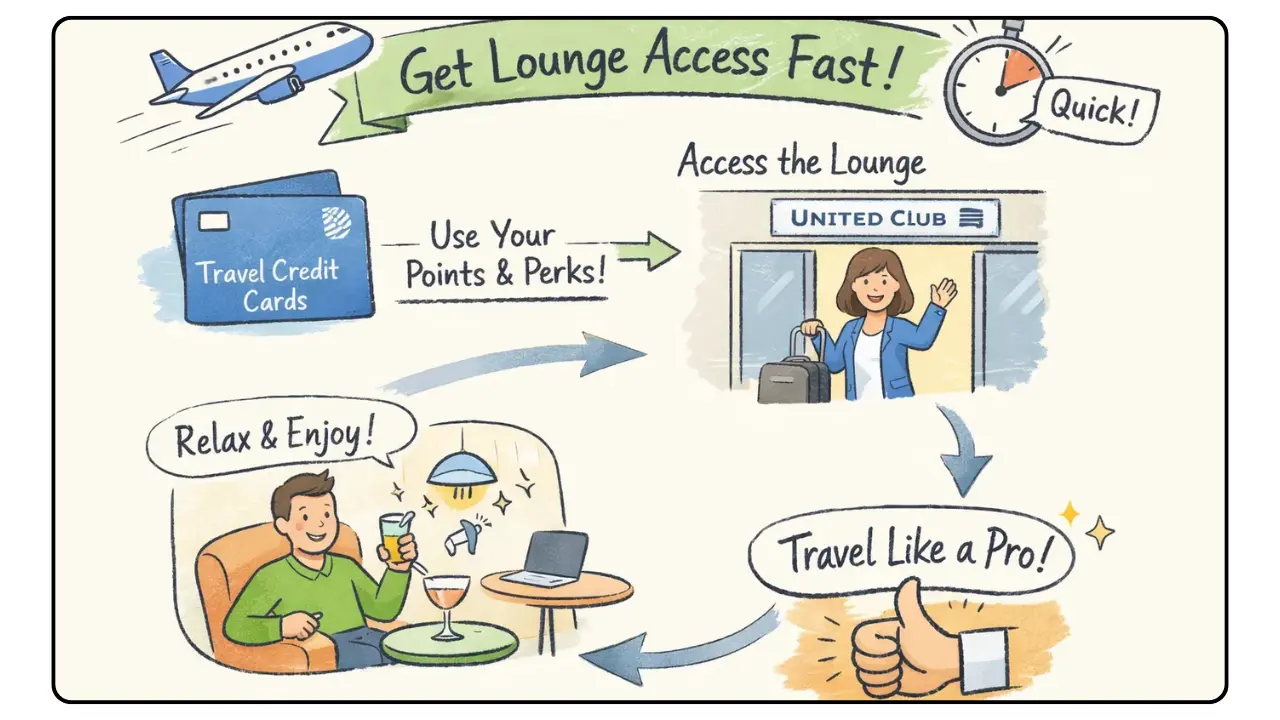
Understanding guest, dependent and authorized-user rules
Guest policies vary by membership and pass type, so checking counts ahead of time prevents surprises
at entry. Typically a United Club member may bring one adult guest plus dependents under 18; some
arrangements allow two adults or one adult plus dependents. One-time passes carry the guest allowance
printed on the pass, so verify pass details before travel.
Adding an authorized user can help when a caregiver needs separate lounge entry. You can add users
online or by phone; banks usually issue physical authorized cards within a few business days, though
lounge systems can take longer to sync. Authorized users generally have their own membership or pass
entry and cannot usually redeem the primary cardholder’s one-time passes unless the issuer explicitly
allows it.
At the door, staff will check a same-day boarding pass on United or a Star Alliance partner, your
membership or qualifying credit card, and a government photo ID. For medically related travel, bring
appointment confirmation or hospital paperwork to explain companion access; staff will follow written
guest rules but can verify medical travel when appropriate. Once you understand eligibility on paper,
compare costs so you can decide whether membership or pay-per-use fits your care itinerary.
Cost comparison and value math for medical travelers
Deciding between membership and pay-per-use comes down to how often you and a caregiver will use
lounges. At about $59 per day pass, the United Club Infinite Card’s $695 annual fee breaks even after
roughly 12 visits, so buying passes is usually cheaper if you expect fewer than a dozen visits per year. If
you travel monthly or routinely accompany a patient, the card often pays for itself.
- Occasional travel: One round trip with lounge access on departure and return equals two passes: 2 ×
$59 = $118. For single or infrequent medical trips, pay-per-use remains the cheaper option. - Regular follow-ups: Monthly outpatient visits cost 12 × $59 = $708, which exceeds the $695 membership fee. When you add caregiver entries and travel credits, membership typically becomes the
better value.
Extra card benefits can further reduce the effective cost. Annual credits for Global Entry or TSA PreCheck,
checked-bag waivers, and hotel or rideshare credits can cut the net annual cost by several hundred
dollars. Include these perks when you do the math for medically related travel.
Polaris versus United Club: which matters for international medical travel
United Polaris lounges base entry on fare class and itinerary rather than on card benefits. If your medical
travel requires a premium cabin that includes Polaris access, hold the correct boarding pass and fare
class; Club membership or day passes will not grant Polaris entry.
For most international medical trips a United Club provides quieter seating, showers, complimentary food
and drink, and reliable Wi-Fi for telemedicine calls or coordinating care. When Polaris is essential for long
connections, plan ticketing around the required fare class or look for Star Alliance Gold access through
status or partner tickets. Otherwise consider paid day passes for companions or booking through carriers
that offer lounge access at your departure gateway. For an overview of Club locations and amenities, see
this United Club guide.
Practical checklist: using lounge access during medical travel
Confirm your United credit cards lounge access options well before booking flights so access is ready
when you arrive. Use this checklist and consult your international patient concierge if you need help
aligning flights, transfers, and medical appointments.
- Add authorized users early so a caregiver can enter independently when needed. Registering them
ahead of time helps avoid last-minute denial at the door. - Enroll in Global Entry or TSA PreCheck to speed security and match lounge time windows. Faster
security also reduces the chance that a three-hour pass window will expire before your flight. - Download digital membership cards and save screenshots in case of connectivity issues. Keep a
printed copy of membership or pass details when traveling internationally. - Pre-purchase one-time passes if you do not have membership and confirm guest allowances ahead of
time. Buying passes in advance avoids sold-out situations at busy airports. - Share flight times and medication needs with your concierge for coordinated pickup, nurse support, or
special handling. Clear coordination reduces the risk of missed connections and lowers stress on travel
day.
On travel day, arrive early enough to meet any three-hour pass rules if you are using a day pass and use
Premier Access when available to reduce walking and queues. Carry prescriptions and medical documents in your carry-on and inform the airline of assistance needs. Lounge staff can often assist with
in-terminal transport or clinical contact when needed, making access practical during care trips.