
Chase Sapphire Preferred vs Reserve 2026
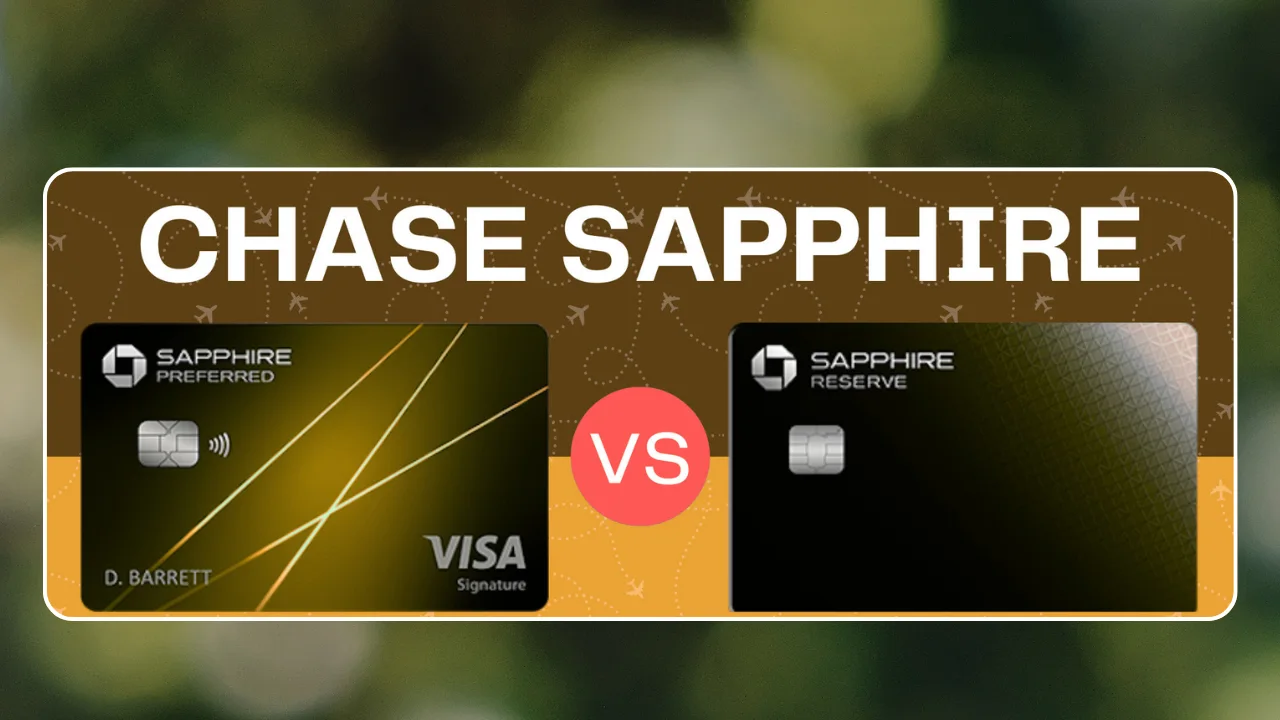
If you’re a U.S. traveler staring at rising airfares, hotel prices, and that constant itch to book the next trip, picking the right premium credit card in 2026 feels more important than ever. Inflation hasn’t let up, award charts keep shifting, and the “premium” travel experience now comes with bigger price tags think $795 annual fees that actually need to pay for themselves.That’s exactly why the Chase Sapphire Preferred vs Reserve debate is hotter than ever this year. Both cards sit in Chase’s flagship Ultimate Rewards family, share the same powerful transfer partners, and deliver flexible points. But one keeps things simple and affordable while the other throws luxury at you lounges, massive credits, elite status at a much higher cost.
I’ve been reviewing credit cards for over a decade as a U.S.-based financial writer, and I’ve personally held both. In this 2026 guide, I’ll break down every difference with real numbers, updated perks after the big Reserve overhaul, and clear advice on which card actually wins for different lifestyles. By the end, you’ll know exactly which Sapphire card belongs in your wallet.
Here’s the no-fluff snapshot every comparison needs:
| Feature | Sapphire Preferred | Sapphire Reserve |
| Annual Fee | $95 | $795 |
| Welcome Bonus (2026) | 75,000 points | 125,000 points |
|
Best Everyday Earning |
3x dining, online groceries, streaming | 8x Chase Travel, 4x direct flights/hotels |
| Annual Credits | $50 hotel credit | $300 travel + $500 The Edit hotels + $300 dining + $300 StubHub + more |
| Lounge Access | None | Priority Pass + Chase Sapphire Lounges (unlimited + 2 guests) |
| TSA PreCheck/Global Entry | No credit | Up to $120 every 4 years |
| Best For | Moderate spenders & beginners | Frequent flyers who use every perk |
The Reserve clearly loads up on premium travel perks, while the Preferred stays budget-friendly with stronger everyday categories. The real question? Can you actually use the Reserve’s extras to justify that $700 gap?
Annual Fees and Value (2026 Update)
Let’s talk money first because that’s what stings most.
The Chase Sapphire Preferred still charges just $95. It’s been that way for years, and it’s one reason the card remains a favorite. After the $50 annual hotel credit (booked through Chase Travel), your effective fee drops to about $45. That’s basically free for the rewards and protections you get.
The Chase Sapphire Reserve? Its annual fee jumped to $795 in the 2025 overhaul (from the old $550). Authorized users now cost $195 each too. Ouch until you look at the credits.
In 2026 the Reserve comes packed with:
- $300 annual travel credit (any airline, hotel, Uber, etc.)
- $500 The Edit by Chase Travel hotel credit
- $300 dining credit at exclusive OpenTable restaurants
- $300 StubHub credit
- $120+ Lyft, Peloton, DoorDash, and Apple TV+/Music credits
If you use even half of these, your effective annual fee turns negative — meaning Chase pays you to keep the card. I’ve run the math for clients: moderate users net +$400–600 in value; heavy users clear +$1,500 easily.The Preferred wins on pure affordability. The Reserve wins on raw dollar-for-dollar value — but only if you travel and dine enough to activate those credits.
Rewards and Points System
Both cards earn transferable Ultimate Rewards points worth 1.5–2+ cents each when redeemed smartly through Chase Travel or transferred to partners like United, Southwest, Hyatt, or Air Canada Aeroplan.
Here’s where they differ in 2026:
Sapphire Preferred shines for real-life spending:
- 5x on travel through Chase Travel
- 3x on dining (including delivery), online groceries (no Target/Walmart), and streaming services
- 2x on all other travel
- 1x everywhere else
- Bonus: 10% anniversary points back on your prior year’s total spend (huge for anyone putting $20k+ on the card)
Sapphire Reserve crushes premium travel:
- 8x on every purchase through Chase Travel (including The Edit)
- 4x on flights and hotels booked directly
- 3x on dining worldwide
- 1x on everything else
Notice the trade-off? The Preferred gives you better rates on groceries and streaming categories most families hit every week. The Reserve pays you more when you book big trips through the portal or direct flights. If you spend $3,000/month on dining/groceries/streaming and only occasional travel, the Preferred pulls ahead. If you drop $10k+ per year on flights and hotels through Chase, the Reserve’s 8x rate can earn you thousands more points annually.
Travel Benefits and Perks
This is where the Reserve separates itself.
Reserve highlights:
- Unlimited Priority Pass Select lounge access (1,300+ lounges worldwide) plus entry to all Chase Sapphire Lounges with up to two guests free. In 2026 that’s worth $850+ if you fly often.
- $300 annual travel credit automatically applied to almost any travel purchase.
- Up to $120 Global Entry/TSA PreCheck/NEXUS credit every four years.
- Primary auto rental insurance up to $75,000.
- Stronger trip cancellation ($10k per person) and delay coverage.
Preferred keeps it solid but simpler:
- $50 hotel credit through Chase Travel.
- Same core trip cancellation, delay, and baggage protections — but slightly lower limits and no lounge access or trusted traveler credit.
If you fly more than 4–5 times a year and hate airport food, the Reserve’s lounges alone can justify the upgrade. For occasional trips, the Preferred’s protections cover you just fine.
Lifestyle Benefits & Credits
2026 brought even more everyday credits to both cards but the Reserve goes overboard.
Both include:
- Complimentary DoorDash DashPass (12 months) + monthly promo credits through 2027
- Lyft and Peloton boosts (5x points + credits)
The Reserve adds:
- Apple TV+ and Apple Music subscription credits (up to $288 value through mid-2027)
- $300 StubHub tickets credit
- $300 dining at hand-picked Sapphire Exclusive Tables
- After $75,000 annual spend: extra Southwest credit, shop credits, and elite status at IHG, Hyatt, and Southwest
The Preferred keeps lifestyle perks light and easy perfect if you just want the card to pay for itself without tracking a dozen credits.
Who Should Choose Each Card?
Choose Sapphire Preferred if:
- You’re a beginner or moderate traveler
- You hate high annual fees
- You spend heavily on dining, groceries, and streaming
- You want simple rewards without tracking credits
- Your travel is mostly weekend getaways or family trips
Most Americans fall here and that’s why the Preferred is still my top recommendation for the majority in 2026.
Choose Sapphire Reserve if:
- You fly 6+ times a year and value lounges
- You can easily use the $300 travel, $500 hotel, and dining credits
- You book big trips through Chase Travel for 8x points
- You want Global Entry, elite hotel status, and premium protections
- You’re okay paying $795 because the perks more than cover it
Frequent business travelers, digital nomads, and families who vacation hard every year usually come out way ahead with the Reserve.
Pros and Cons
| Sapphire Preferred Pros | Sapphire Preferred Cons |
|
|
| Sapphire Reserve Pros | Sapphire Reserve Cons |
|
|
Real-World Example
Let’s run the numbers for two real U.S. travelers in 2026.
Casual Traveler (Sarah) -spends $25,000/year: $8k dining/groceries, $4k travel, $2k streaming.
- Preferred: ~85,000 points ($1,275 value at 1.5¢) + $50 credit – $95 fee = +$1,230 net
- Reserve: ~65,000 points ($975) + $300 travel + $300 dining credits – $795 fee = +$780 net
Preferred wins by $450.
Frequent Flyer (Mike) – spends $60,000/year: lots of Chase Travel bookings, 8 flights, family vacations.
- Preferred: ~110,000 points + $50 = +$1,700 net
- Reserve: ~180,000 points ($2,700) + $300 travel + $500 hotels + $300 dining + $300 StubHub + lounges (~$1,000 value) – $795 = +$4,000+ net
Reserve crushes it – over double the value.
Here’s the honest answer most people want: For the majority of U.S. consumers in 2026, the Chase Sapphire Preferred is the better card.
The Reserve’s fee increase to $795 changed the game. Unless you’re a frequent traveler who will actually use the lounges, $500 hotel credits, and dining perks, you’re better off with the Preferred’s lower cost and simpler rewards.
But if you fly often, love airport lounges, and can maximize those credits -the Reserve still delivers insane value and can feel like it pays you every year.
My personal advice? Start with the Sapphire Preferred. After a year, if you’re using every perk and craving more luxury, upgrade to the Reserve (Chase often lets you keep your points and offers upgrade bonuses).
Ready to decide? Check the latest offers directly on Chase’s site -welcome bonuses fluctuate and sometimes hit record highs.
Apply for the Chase Sapphire Preferred if you want maximum everyday value without the high fee.
Apply for the Chase Sapphire Reserve if premium travel and lounges are non-negotiable.
Either way, both cards are among the best travel credit cards USA has right now. Choose the one that matches your actual travel habits – not the hype.
FAQ of Chase Sapphire Preferred vs Reserve
1. Can I have both the Preferred and Reserve?
Yes – and many people do. You’ll earn points on both and can combine them in one Ultimate Rewards account. Just watch Chase’s 5/24 rule.
2. Did the Reserve fee really jump to $795?
Yes, in the 2025 overhaul. New applicants pay it immediately; existing cardholders saw the increase on renewals after October 2025.
3. Which card has better point redemption?
They’re equal on transfers. The Reserve gets a slight edge with Points Boost (up to 2¢ per point on select bookings) once fully rolled out.
4. Is lounge access worth the extra fee?
For frequent flyers, absolutely. One family of four using lounges 6 times a year can save $400+ in food and drinks.
5. What if I don’t use all the credits?
Then stick with the Preferred. The Reserve only makes sense if you’ll use at least $800 in annual value.
6. Can I downgrade Reserve to Preferred later?
Yes – and you keep your points. Many people do this after a year or two.
7. Are the welcome bonuses worth it in 2026?
Absolutely. 75k on Preferred and 125k on Reserve are strong — especially when valued at 1.8–2.2 cents each through transfers.
Common Mistakes When Choosing Credit Cards
- Ignoring your actual spending categories (don’t chase 8x if you never book through Chase Travel)
- Forgetting to activate credits (set calendar reminders!)
- Applying for the Reserve just for the metal card look
- Not factoring authorized user fees if you add family
- Missing the 10% anniversary bonus on the Preferred – it’s free money
In 2026, the Chase Sapphire Preferred remains the smarter everyday choice for most Americans, while the Sapphire Reserve still reigns for luxury travelers who maximize every perk. Pick the one that fits your life — and start earning points toward your next dream trip today.