
UnitedHealth shares (UnitedHealth Stock Drops)took a hit on Monday as news spread that Warren Buffett’s Berkshire Hathaway had completely cashed out of its position in the giant health insurer. For many Americans watching their 401(k)s or brokerage accounts, the move raises fresh questions about confidence in one of the country’s biggest healthcare companies.The stock fell more than 2-3% in early trading after Berkshire’s latest 13F filing revealed the full exit. It’s a notable shift, especially since Berkshire had jumped in less than a year earlier when the stock was beaten down.
What Happened: The Quick Timeline
Back in August 2025, Berkshire disclosed it had purchased about 5 million shares of UnitedHealth. That news gave the stock an immediate lift as investors saw it as a classic contrarian bet from the Oracle of Omaha’s team.
Fast forward to the first quarter of 2026, under new CEO Greg Abel, Berkshire sold every single share. The timing came after UnitedHealth stock had staged a strong recovery – climbing roughly 45% from its lows around $271 to near $394.
This wasn’t a small trim. It was a complete exit as part of a broader portfolio reshuffle.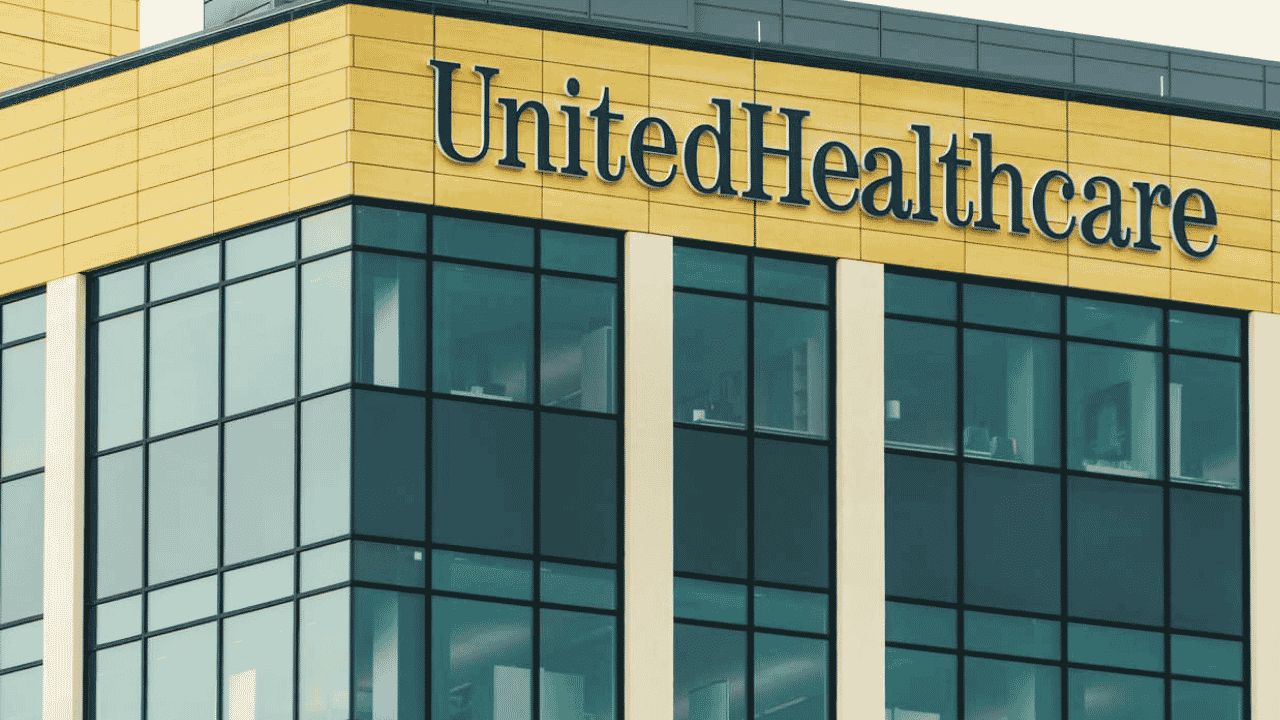
The Numbers Behind the Move
- Stock performance: UnitedHealth is up about 20% so far this year after being the worst performer on the Dow in 2025, when it dropped over 30%.
- Berkshire’s play: Bought in at depressed prices, rode the rebound, and locked in solid profits in under a year.
- Company strength: UnitedHealth remains America’s largest health insurer with hundreds of billions in annual revenue and strong cash flow. In April, it raised its full-year profit outlook and beat earnings expectations.
Other big insurers have also posted solid results recently, suggesting the industry is getting a better handle on rising medical costs.
Why This Matters for Everyday Investors
Berkshire’s moves still carry weight on Wall Street, even after Buffett stepped back. As one investment chief put it, these trades influence sentiment whether Buffett personally pulled the trigger or not.
UnitedHealth has faced real headwinds: soaring healthcare costs, criticism over insurance practices, a tragic executive murder in late 2024, and ongoing federal probes. CEO Stephen Hemsley returned to steady the ship and restore confidence.
Analysts like those at Morningstar suggest Berkshire’s sale may have more to do with portfolio balancing than a fundamental red flag on UnitedHealth. The managed care sector showed strength in the latest earnings season.
Still, the exit removes a high-profile backer and could create short-term pressure on the stock.
What It Means Going Forward
Positive side: UnitedHealth is executing an operational turnaround. Strong earnings, raised guidance, and a rebounding share price show resilience. For long-term holders, the fundamentals of a dominant healthcare player haven’t disappeared overnight.
Potential concerns: Ongoing regulatory scrutiny and medical loss ratios remain watchpoints. Profit-taking after a sharp recovery is normal, but it reminds investors that even blue-chip names can face volatility in today’s environment.
Experts watching the name, such as James Harlow at Novare Capital, note that the Berkshire news may take some momentum away short-term but doesn’t erase the progress the company is making.
Clear Takeaway for American Investors
Berkshire’s sale highlights how quickly big investors can move in and out when they see value – and when they’ve captured it. UnitedHealth isn’t going away, but the stock may face some near-term chop as the market digests this headline.
If you own the stock, use this as a moment to review why you bought it in the first place. For those considering entry, focus on the company’s core business strength versus the external pressures it still faces. Diversification remains key in healthcare investing.
This is not financial advice. Always do your own research or consult a qualified advisor before making investment decisions. Stock prices fluctuate, and past performance doesn’t guarantee future results.